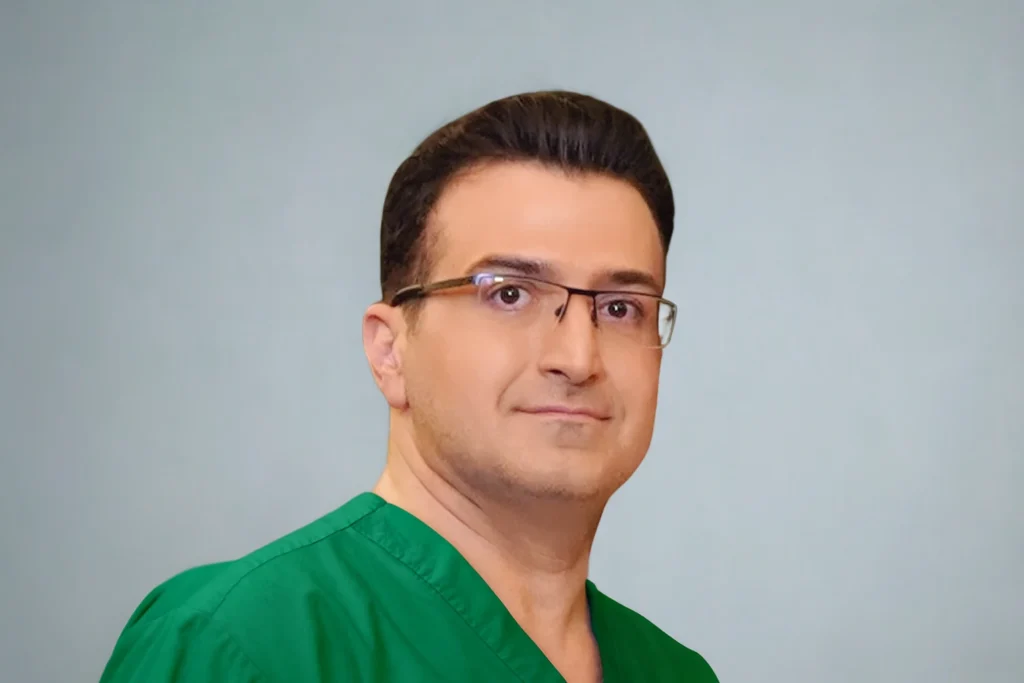
About Dr Siavash Noor (AKA Dr Sivan) | Small Animal Veterinarian, Mobile Vet Practitioner – Western Australia

Many pet owners feel unsettled watching their anxious dogs or cats at clinics, often for services that could have been delivered far more comfortably at home.

That’s why my wife, Sama, and I recently founded XCura Vet.

What? XCura? Stay with me — I’ll explain shortly.

Why we do what we do?

When deciding how to introduce myself here, I chose honesty over fluff. I want you to know exactly what I bring to my visits. There’s no pressure to take my word for it; this is simply how I’ve worked and lived my career so far.

I’ve dedicated more than two decades of my life to veterinary science — not merely as a job but as a belief, a way of life.

Sama and I believe that science without compassion is cold and, ultimately, unhelpful. While we can’t change the direction the world is heading, at the very least, we can practise our values within our little family-run clinic. This philosophy lies at the heart of our mobile veterinary service.

We know how disheartening it can feel when someone meant to heal comes across as cold or indifferent — or worse, treats you like a customer to upsell rather than a person with a beloved pet to help. I’ve seen it, I’ve experienced it, and I know how deep that wound can go.

Our goal isn’t volume — it’s quality, individualised care. No mad rush of quick-fire cases, superficial assessments, boom, boom, boom! That’s not medicine to me. At least, it’s not the kind I was taught to practise, nor the kind I believe in.

I believe in a calm, methodical approach that puts both pets and their owners at ease. I always take the time to listen to my clients carefully and look at the patient as a whole, not just a set of discrete symptoms.

Let me explain what I mean..

Take, for example, a patient who has been in a dog fight. I don’t just treat the obvious wound. I know there may also be a deeper, invisible wound — inside that always-calm, friendly dog who has now been bitten and feels betrayed by another animal of their own species. That emotional injury needs attention too, alongside the skin wound.

Or consider a senior dog that appears aggressive. It’s not always about behaviour — sometimes it’s poor vision or hearing. When a dog can’t see or hear people approaching, sudden touch can startle them, causing defensive reactions. In these cases, I don’t just bombard them with sedatives. I teach you practical techniques to approach and handle them in ways that help them stay calm and safe, without becoming more sleepy or drowsy.

And last but not least, I am a fully registered veterinarian with the Veterinary Practice Board of Western Australia, and my mobile practice complies with all Australian and Western Australian veterinary regulations.
Click here for a brief look at how I practise

When I encounter a sick patient, I always work towards two main goals:

  1. Treating the symptoms and signs.
    This part is usually straightforward — for example, giving the right type of pain relief when an animal is in discomfort. However, not all signs should always be treated immediately. For instance, if I suspect an intestinal obstruction as the cause of vomiting, giving anti-vomiting medication could actually harm the patient rather than help.
  2. Finding the underlying cause.
    This is often the complex part for every vet and requires experience and use of diagnostic methods. What’s causing the pain? Could it be arthritis, a cruciate ligament rupture, an infection, or perhaps even a behavioural response — your pet’s way of seeking more of your attention!? Until we identify the cause, treatment may only provide temporary relief and not cure.

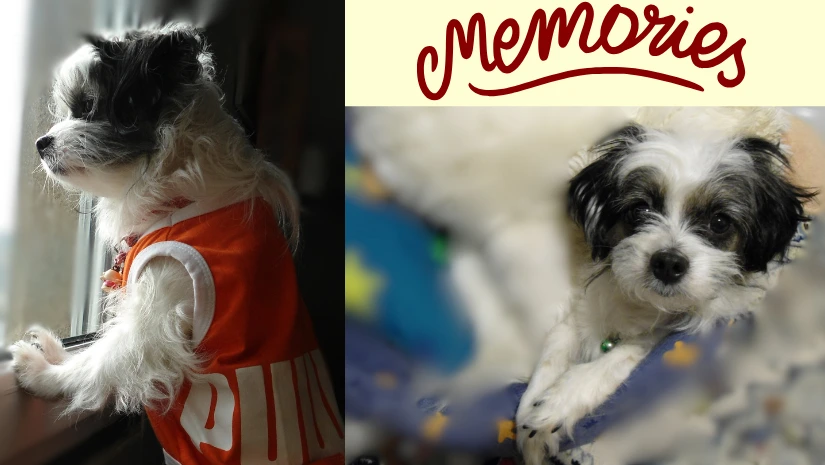
During my consultations, I develop a set of appropriate options and explain each one clearly — including estimated costs. I discuss the purpose of every option and diagnostic step. While I won’t make decisions for you, I’ll always share what I would do if your pet were mine. Having said that, I’d like to remember our beloved pet, Lucy, who passed away last March at the remarkable age of 18 years and 9 months. Living with her taught me more about animals’ feelings than any book or professor ever did.

*****

Outside of work, Sama and I enjoy oil painting, nature walks, camping, card games, while we eagerly await the arrival of our son in the coming months 👼🏻. Personally, I have a deep passion for astronomy and modern physics, which have profoundly shaped the way I view life and the world around us.

Click to discover the story behind XCura Vet

As a child growing up in a metropolitan apartment, I tried to keep every animal I could find or convince my parents to buy for me. From silkworms, frogs, bees, various types of fish, parrots, casco (African Grey Parrot), finches, turtles, pigeons, and chickens, to cats and dogs—I was endlessly fascinated by them.

My first childhood pet was named Abtulus — a name I imagined when I was just three or four years old. Years and years later, I named my current mobile vet practice Abtulus Vet in his memory. But I quickly found that people struggled to pronounce and remember it.

So I went back to the drawing board. I asked myself: What’s the true essence of this practice?

Two things stood out:
Kindness — towards animals and their people.
Precision — in diagnosis, care, and communication.

These two qualities work like two arms that meet at the point of my care with a hope to cure the diseases — the Latin word for which is cura in medical language.

That’s where the “X” in X VET comes in.
Simple, sharp, and abstract — it stands for me as a quiet reminder of the exact point where kindness and precision meet: the aim to heal and preferably “cure” when possible.

Click to learn a little more about my scientific background

For as long as I can remember, I was drawn to the veterinary profession. I used to think: how lucky are vets, seeing so many animals every day—and doing it as their job! By the time I turned 18, I knew I wanted to become one.

However, what seemed like a lovely, rewarding career turned out—right from the beginning—to be a path filled with long hours deep study, sleep deprivation, and personal sacrifice. Learning how a healthy animal body works, then understanding what happens when it becomes diseased, all while comparing species as different as horses, cattle, dogs, cats, birds, and fish… it was mind-boggling. A single leg in a dog has more than 500 distinct features—each with its own Latin name (not English); things like “Musculus extensor digitorum lateralis longus manus” or “Ligamentum femoropatellare mediale” – to memorise and compare across species and then sit exams for!

There were days and nights filled with hope and hopelessness, pride and shame, success and defeat…

I didn’t land here by chance.

I earned my place through 12 years of schooling, followed by a year of intense preparation for the university entrance exam—competing among 500,000 applicants and ranking within the top 1,600.

I completed six years of full-time study in general veterinary medicine overseas and was awarded my Doctor of Veterinary Medicine (DVM) degree with high distinction. That foundation shaped the way I practice today. Most veterinary graduates in the world stop there. But my passion for surgery drove me further. I then pursued an additional 4.5 years of full-time surgical training through a competitive national residency program. That period gave me deep experience in advanced procedures, surgical decision-making, and clinical leadership — foundations I still rely on in my practice today. Then I established my own brick-and-mortar clinic and parcticed for several years while keeping in touch with academy by teaching and research. By that time I was offered a position at the University of Western Australia as manager and surgeon of their animal intensive care unit. That opportunity brought me to Perth over 11 years ago.

A few years later, I undertook 1.5 years of rigorous study to pass the Australian Veterinary National Examinations to practice as a General Veterinary Practitioner—a demanding process that included a six-hour theoretical exam with hundreds of questions covering all areas of veterinary medicine, along with 10x practical exams and interviews across multiple animal species. All of this took place while I was simultaneously mastering a new language, navigating immigration barriers, and reshaping my skills within a different veterinary system.

That journey—from raising silkworms and butterflies as a child, to the operating rooms of a variety of clinics I have serviced so far, and now the living rooms of Perth—has taught me what truly matters: a genuine love for animals, calm presence, honesty, and high-quality care. That’s the standard I bring to every case in XCura Vet.

Academic Background

For those curious about my academic background: I hold three award-winning, granted patents registered with the United States Patent Office for invention of emergency medical devices designed for use in resuscitating both animals and humans (Details here).

I have conducted 23 research projects, authored 44 papers presented at national and international scientific conferences, and published 29 peer-reviewed articles in prestigious veterinary and medical journals. You can find a selection of these under Scientific Publications: Dr Siavash Noor – Google Scholar. I have also published nine books on veterinary topics—two of which have received awards—and have taught over 100 academic courses in various veterinary topics.